|
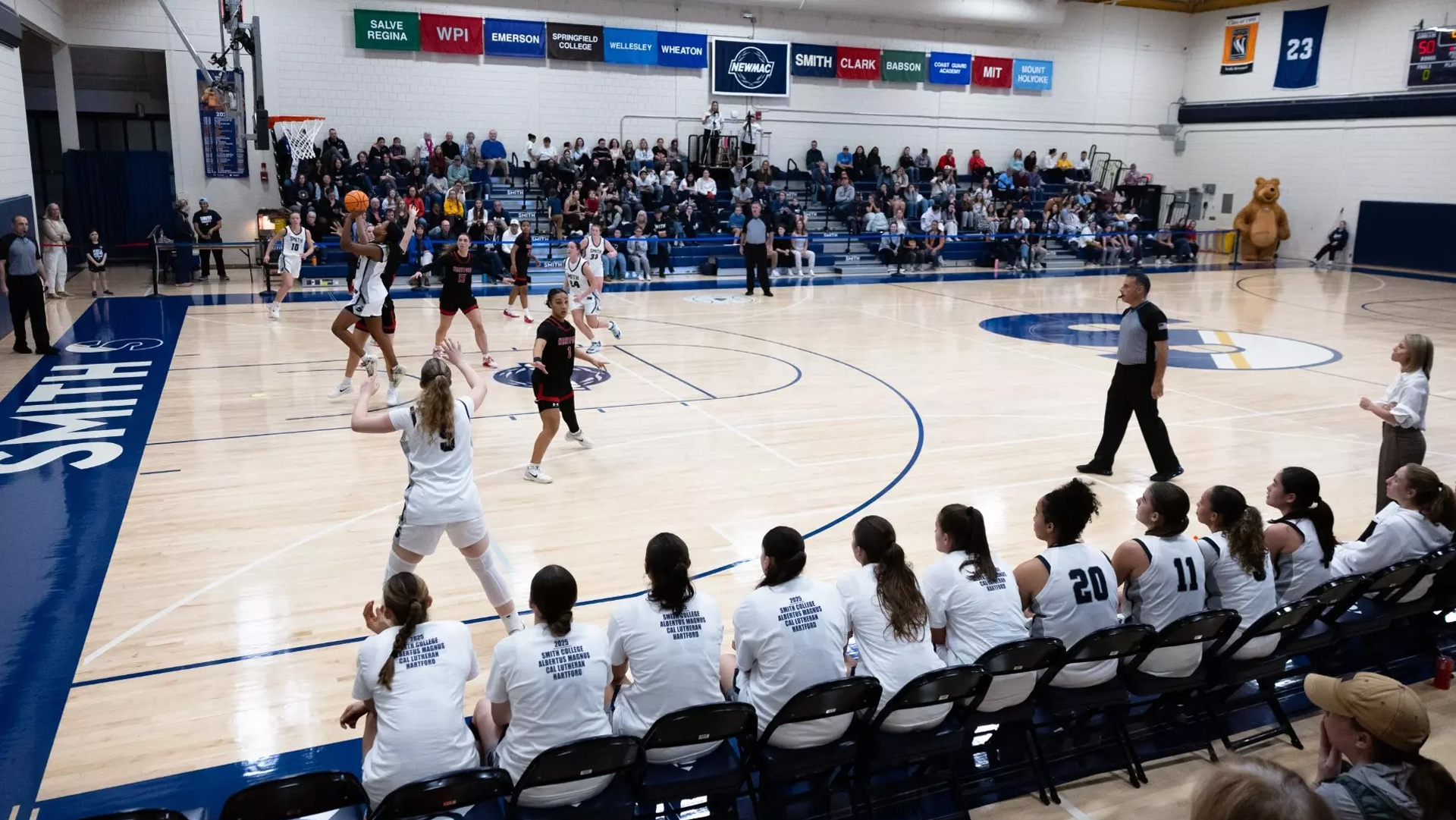
| Smith athletics file photo |
By Ryan Scott
D3hoops.com
Precision.
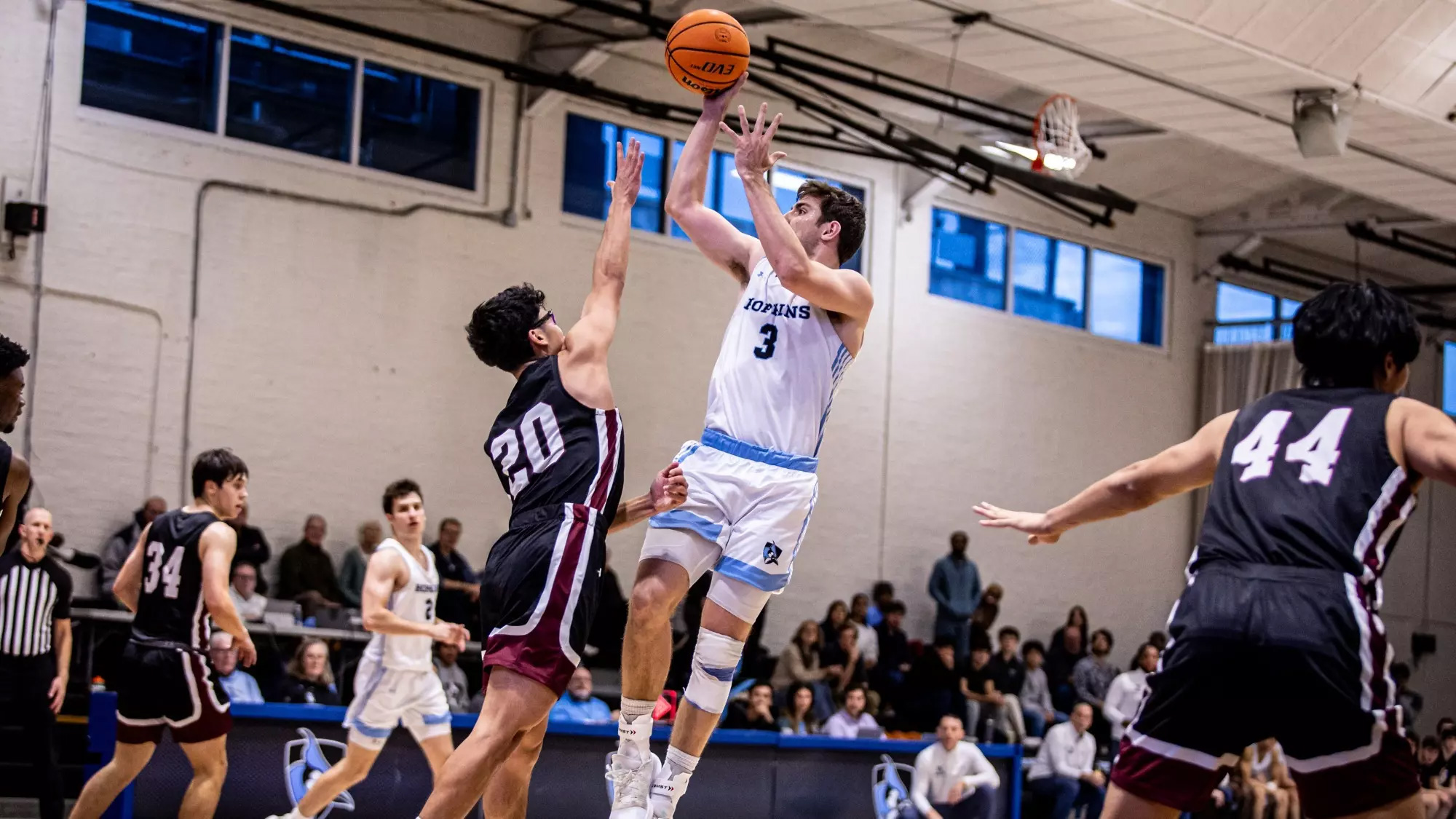
That’s my one word column. After attending a Johns Hopkins game in person earlier this year, I had a lot of questions about some specific things that men’s basketball head coach Ryan Cain did during the game. I’ve always admired his success, largely at Keene State before taking the JHU role two years ago. His teams consistently advance farther in the tournament than their seeding and public perception might predict.
That train of thought brought to mind also Lynn Hersey, head coach at Smith, whose teams have been to three straight Final Fours, two consecutive championship games, and have a real shot at making it four in a row — much of this in spite of losing massive contributions every year that leave pundits predicting a regression.
Talking to each, you get an immediate sense of precision. Intentional hard work over time. People who excel in any field tend to have a capacity and stamina beyond that of mere mortals. Coaching is no different. Yet Hersey and Cain approach, talk about, and instill that precision in different and unique ways.
Cain talks much more about drawing out a unique character from each group that may differ from year to year, but is authentic to that set of players.
“You have to let players lead — coaches support it and provide guardrails. Once you establish that foundation, the core values and standards that you have, the players allow you to have that success. The players sustain it. The players pass down the standard.”
I was surprised by how much time Cain and his staff spent on the floor during halftime — more than half the fifteen minutes went by before they headed to the locker room. This is a practice Cain picked up from his college coach and mentor, Chris Bartley, at WPI.
“The intent is to give us an opportunity to engage, give guys their time in the locker room. When we get in there, it’s a sharing of information — it tends to be pretty consistent between the two groups. If the coaches are the ones being proactive with the messaging, you’ll find inconsistency, because you’ll always be putting out fires.”
Hersey speaks about building a winning program with energy and intensity — she’s clearly setting a high bar and challenging her players to engage at an uncommon level of intensity.
“Steady work ethic. The goal is to outwork your opponents. Once that becomes part of what you do every single day, the habits come with it. You have to believe what you want to achieve; you have to talk about it. It’s not something you run from, but run toward. Every group that comes through, having them absorb that mindset and get used to it; get ready for the pressure, get ready for the expectation. You do that with daily practice.”
She doesn’t just mean the X’s and O’s on the floor — although both coaches are adamant about using your practice time well and intentionally, preparing for scenarios that might arise in critical moments — it’s also about mindset, preparation.
Hersey says, “You have to make sure things in your program are felt, not just seen, not just heard. There’s a drive to either recreate those things or make sure it doesn’t happen again. You mature as a program by sitting in it and not running from it — and having good leadership to bring you through it.”
Cain agrees. “If you’re not prepared to handle the adversity and respond in a confident and connected way, that’s really what matters. It really is guys having the right mindset and being connected on the court.” And if that’s not happening, that’s when coaches need to step in. He says,” You might have to provide your own adversity to snap them into the kind of response you’re looking for.”
“We have endurance to prepare,” says Hersey. “That’s our superpower. We are trying to build a championship program this year while building next year’s at the same time. You have enough talent where a lot of kids you have coming off the bench for you could start a lot of other places. It’s coaching both groups with the same standards, purpose, time commitment, and investment. Someone who is a role player this year has a lot of practice doing a lot of things that is required of them to step into that next big spotlight role and feel prepared to perform right off the bat.”
Cain speaks about it differently, but I think is saying the same thing. “Think about it, but not make more out of it than it needs to be. Make the right play in that situation and the score will take care of itself. Without always playing towards what the biggest goal is, you have to align your habits toward whatever that ultimate goal is.”
|
| Johns Hopkins athletics photo by Marty Corcoran |
Cain instills a culture where players speak first and lead the discussion, which can be scary and unpredictable at times, but, as he says, those thoughts are real and important. They have to be dealt with and respected, included and examined. Trust comes from honesty and willingness to tackle things head on.
“You need something that grounds you,” says Hersey. “I think every program needs something that players and coaches can buy into. At Smith we do a deep dive into gratitude. Having it be part of the culture, identity, mindset of the entire program is really grounding for us. We extend gratitude in all these different ways. These things balance the competition, the intensity of execution, all these things you’re striving for.”
Cain talks about it as finding connection so the players are playing for something bigger than what’s on the scoreboard. He also notes the distinct advantage that Johns Hopkins has a robust athletic department with sport performance professionals built into the structure — a unique resource few Division III programs have access to.
Finding and taking advantage of those distinctive attributes of your school is essentially to getting the players in the door who can achieve the loft expectations these coaches set.
Hersey talked about taking Smith from 4-21 the year before she arrived, to the national championship game, and how much harnessing Smith’s power and status helped in the process.
“There are some real innate, special parts of being part of the Smith experience that trumps the Division III experience elsewhere. We’re the largest women’s college in the country and we’re the birthplace of women’s basketball. Our weightroom is made for women. The machines are made for our hand size, not some 6-8 lineman. We don’t share the gym. It’s about understanding what makes you different, what makes you elite, and to embrace those brands and build them up to be something special.”
I suspect any good coach can find and harness those advantages in any location. I suspect, also, a lot of it comes down to confidence. Both Cain and Hersey embody what they teach. They are immersed in these philosophies not as some checklist for good coaching, but because they believe it's how to be successful and fulfilled in life.
A major part of the Division III philosophy is that athletics are a means to achieving what we want in life off the court. It may seem counter intuitive, but so much success comes from not working for wins. That doesn’t mean putting your head down and trudging along one game at a time, but maybe it’s more about understanding how basketball fits into a larger, holistic picture of success.
Cain sums it up well: “Every experience you have, you’re learning from those in order to play your best basketball at the end of the year. Our guys are consistently referencing and talking about the experiences they had, how they can learn from those and lean into those, lessons they learned from those, and how they can apply them to the next game.”
That translates pretty seamlessly to anything you do in life. Preparation, intention, precision. You don’t ever know what the right answer is in a given situation, but you have to be as prepared as possible to respond in the moment. Work hard enough and smart enough that you can have confidence that you’ll respond to the best of your abilities. We see it on the court at Smith and Johns Hopkins, but it certainly extends well beyond the game, and long after you’re done playing.
